
"Costa Rica coffee origin"
600 article(s) found

Costa Rican coffee beans origin Costa Rican coffee beans origin Boutique coffee
Full-bodied particles, ideal acidity, unique and intense aroma. Tarrazu, Costa Rica, is one of the world's leading coffee producers, producing coffee with a light, pure flavor and pleasant aroma. Costa Rica's volcanic soils are fertile and well drained, making it the first country in Central America to grow coffee and bananas for commercial value. Coffee and bananas are the country's staple foods.

The Origin of Coffee beans in Costa Rica Coffee beans Coffee beans
The particles are full, the acidity is ideal and the aroma is unique and strong. Tarrazu in Costa Rica is one of the major coffee producing areas in the world. The coffee produced is light and pure in flavor and pleasant in aroma. Costa Rica, with its fertile volcanic soil and good drainage, is the first country in Central America to grow coffee and bananas for commercial value. Coffee and bananas are the main food in the country.

Costa Rica Tara Pearl Estate (washed)SHB Coffee Bean Flavor Description Origin Variety Taste Introduction
Costa Rica Tarrazu Estate (washed)SHB Coffee Bean Flavor Description Origin Variety Taste Introduction Among Costa Rica's many outstanding producing areas, there is a famous producing area Tarrazu (Tarrazu), also known as Tarasu. Tarajoo is renowned in the world of fine coffee and is one of the world's leading coffee producers. At the 2014 COE competition, of the 23 ranked beans,

Characteristic origin of Costa Rican coffee
Costa Rican coffee is characterized by full granules, ideal acidity and unique strong aroma. Costa Rica's coffee industry, originally controlled by the Costa Rican Coffee Industry Company (InstitutodelCafdeCostaRica, ICAFE), has been taken over by the official Coffee Committee (OficinadelCaf). Among the coffee exported, those products that are considered to be of substandard quality

A brief introduction to the origin, development, history and culture of Tarazhu boutique coffee beans in Costa Rica
Excellent Costa Rican coffee is called extra hard beans, and this kind of coffee can grow at an altitude of more than 1500 meters. Altitude has always been a problem for coffee growers. The higher the altitude, the better the coffee beans, not only because the higher altitude can increase the acidity of the coffee beans and thus increase the flavor, but also because the night temperature at the higher altitude is lower, which can make the trees grow slowly.

Costa Rica Tara Pearl San Roman washed fine coffee beans origin development history and culture introduction
Coffee cultivation in Costa Rica was introduced from Cuba in 1779 and exported for the first time only in 1820. There are about 32,000 coffee farmers in Costa Rica, with an average planting area of less than one hectare (10,000㎡) per farmer. Costa Rica has a population of 4.1 million (2006) and coffee cultivation area of 82,500 km.

Characteristics of producing area of Costa Rican coffee beans
Tarasu, Costa Rica, Tarasu (T origin arrazu) is one of the major coffee producing areas in the world. The coffee produced is light and pure in flavor and pleasant in aroma. Costa Rica, with its fertile volcanic soil and good drainage, is the first country in Central America to grow coffee and bananas for commercial value. Coffee and bananas are the country's main exports, Costa Rica.

Coffee cooked beans Costa Rica Tara beads how to drink flavor taste characteristics manor origin name
Costa Rican Coffee Flavor description: among the many excellent producing areas in Costa Rica, there is a famous producing area Tarrazu, also known as Tarasu. Tarazhu is very famous in the world of boutique coffee and is one of the major coffee producing areas in the world. In the 2014 COE competition, of the 23 beans on the list, 17 came from Tarasu. Tarasu position

Acidity Ideal Costa Rica San Roman Estate Fine Coffee Bean Origin Development History Culture Introduction
Costa Rican coffee is full of particles, with ideal acidity and unique aroma. Costa Rica's coffee industry, formerly controlled by the Instituto del Café de Costa Rica (ICAFE), has been taken over by the Official Coffee Council (Oficina del Caf). In coffee exports, those deemed substandard are marked with blue.

Costa Rica of 53 Coffee Origin in the World
Costa Rica, with its fertile volcanic soil and good drainage, is the first country in Central America to grow coffee and bananas for commercial value. Coffee and bananas are the country's main exports. Coffee was introduced into Costa Rica from Cuba in 1729 and today its coffee industry is one of the most well-organized industries in the world with a yield of 1700 kg per hectare. Goss.

Light and pure Costa Rican Yelsalo fine coffee beans Origin and development History and culture Introduction
Arabica coffee trees are grown in Costa Rica, and the quality of coffee beans is better and more stable through improvement; in order to facilitate picking, coffee trees are maintained at a height of about 2 meters through continuous pruning; people eat coffee because the seeds in the fruit are released by water infusion. After harvesting, green coffee beans must be removed from the skin, pulp, seed membrane and exposed to sunlight.
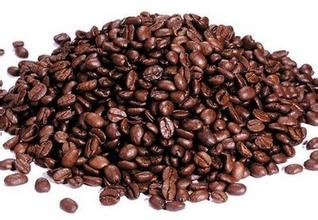
The latest origin of Costa Rican coffee introduces the flavor of Costa Rican coffee.
Costa Rica is bordered by the Caribbean Sea to the east and the Pacific Ocean to the west, as the country's name means in Spanish: a fertile coast. Located in the south of SanJos, the capital of Tarasu, Costa Rica is one of the most valued coffee growers in the country. Tarasu (Tarrazu) is one of the major coffee producers in the world. Coffee farming is extremely important in Costa Rican agriculture.

Introduction to the quality of Coffee from Costa Rica
Tarasu, Costa Rica, Tarasu (T origin arrazu) is one of the major coffee producing areas in the world. The coffee produced is light and pure in flavor and pleasant in aroma. Costa Rica, with its fertile volcanic soil and good drainage, is the first country in Central America to grow coffee and bananas for commercial value. Coffee and bananas are the country's main exports. Extra hard bean

A brief introduction to the origin, development, history and culture of boutique coffee beans in Diamond Hill Manor, Costa Rica.
Excellent Costa Rican coffee is called extra hard beans, and this kind of coffee can grow at an altitude of more than 1500 meters. Altitude has always been a problem for coffee growers. The higher the altitude, the better the coffee beans, not only because the higher altitude can increase the acidity of the coffee beans and thus increase the flavor, but also because the night temperature at the higher altitude is lower, which can make the trees grow slowly.

Costa Rican coffee-quality origin
Tarrazu in Costa Rica is one of the major coffee producing areas in the world. The coffee produced is light and pure in flavor and pleasant in aroma. Costa Rica, with its fertile volcanic soil and good drainage, is the first country in Central America to grow coffee and bananas for commercial value. Coffee and bananas are the country's main exports. In 1729, coffee was introduced from Cuba to Goth.

Mild acid Costa Rica San Romano Estate Coffee Variety Origin Flavor Description Features
Coffee was introduced to Costa Rica from Cuba in 1729, and today its coffee industry is one of the most well-organized in the world, producing up to 1700 kilograms per hectare. Costa Rica has a population of 3.5 million, but coffee trees number 400 million, and coffee exports account for 25% of the country's total exports. The volcanic soils of Costa Rica are very fertile and well drained, especially in the central part.

History and Culture of Tarasu Coffee Origin in Costa Rica
Tarasu is located south of the country's capital, San Jos, and is one of the country's most prized coffee plantations. La Minita Tarrazu coffee is locally famous, but the production is limited, about 72600 kg per year, it is grown on a piece of land called La Minita, the land of the McAlpine family in Britain.

A brief introduction to the Origin, Development, History and Culture of Fine Coffee beans in Diamond Hill Manor, Costa Rica
The manor attaches great importance to the concept of environmental treatment, such as collecting Rain Water to process coffee, and the production and use of organic compost using earthworm farming (worm composting) makes the planting process completely free of chemical fertilizers and pesticides. The high-quality coffee produced by this estate is very unique, the biggest feature is that it has a very amazing sweetness, 100% organic coffee! Participate in boutique coffee in 2009

A brief introduction to the origin, development, history and culture of Costa Rican Diamond Hill boutique coffee beans.
Because of the coffee industry, Costa Rica is a more advanced profession. Coffee farmers have a high status in Costa Rica. In 1897, citizens of the capital witnessed the completion of the National Theater donated by coffee tycoons. Coffee wealth brings stability to Costa Rica's politics, economy and democracy, which is rare in Central American countries. In addition, Colombia has laws that only allow the planting of Arabica and Drogba

Costa Rican coffee beans Costa Rican coffee beans varieties Guatemala coffee
Costa Rica's high latitudes produce coffee beans famous in the world, rich, mild taste, but extremely acidic, coffee beans here are coffee beans carefully processed, because of this, only high-quality coffee. Tarasu, south of San Jos, Costa Rica's capital, is one of the country's most prized coffee plantations. Tarasu (